A variety of local seafood is available in Maryland during the winter season. Oysters are available in many areas, either shucked or in the shell.
Several species of fresh fish are also available in seafood markets and restaurants. One of the most sought-after species of locally harvested fish is the yellow perch. Yellow perch harvests began in January, and end when the commercial quota is achieved in late February or early March. White perch are also available in Maryland seafood markets during the winter.
Both types of perch are small in size but are highly regarded for their mild, sweet flavor. In addition to yielding fillets, female perch often contain roe (fish eggs). Perch roe is considered a local delicacy. Roe is usually prepared by rolling in flour and frying or fresh roe can be mixed with poultry eggs and served scrambled.
Showing posts with label maryland seafood. Show all posts
Showing posts with label maryland seafood. Show all posts
Friday, February 1, 2013

Friday, August 10, 2012
2012 Bay Harvestfest
Bay Harvestfest 2012 will be held on Saturday, October 6, 2012 from 12-6 pm in North Beach, Maryland. The festival features seafood, live music, vendors, arts, crafts, and other attractions.
Monday, July 25, 2011
Maryland From the Bay For the Bay Dine Out
The Maryland Department of Natural Resources (DNR) has announced a list of restaurants that will be participating in a week-long celebration to promote Maryland seafood. Some of the restaurants include Clyde's, Hank's Oyster Bar, DC Coast, McCormick & Schmick's, Matchbox, and Equinox.
From the Bay, For the Bay Dine Out will run October 2-9, 2011, with more than 200 restaurants already committed to participate. DNR anticipates that more than 300 total restaurants will take part in the celebration.
During the promotion, restaurants will feature fresh Maryland Seafood dishes. Each restaurant has agreed to donate a dollar from every Maryland seafood dinner sold during the week to the Oyster Recovery Partnership, a non-profit organization working to rebuild the Chesapeake Bay’s native oyster population.
For more information and to view the full list of participating restaurants please visit dnr.maryland.gov/fisheries/fromthebay/
Consumers can download the From the Bay, For the Bay mobile web app, on the fisheries mobile page on any web-capable mobile device.
source: MD DNR
From the Bay, For the Bay Dine Out will run October 2-9, 2011, with more than 200 restaurants already committed to participate. DNR anticipates that more than 300 total restaurants will take part in the celebration.
During the promotion, restaurants will feature fresh Maryland Seafood dishes. Each restaurant has agreed to donate a dollar from every Maryland seafood dinner sold during the week to the Oyster Recovery Partnership, a non-profit organization working to rebuild the Chesapeake Bay’s native oyster population.
For more information and to view the full list of participating restaurants please visit dnr.maryland.gov/fisheries/fromthebay/
Consumers can download the From the Bay, For the Bay mobile web app, on the fisheries mobile page on any web-capable mobile device.
source: MD DNR
Thursday, July 14, 2011
How to Cook Maryland Blue Crabs

Most suppliers offer crabs either live and ready to cook, or already steamed. Pre-cooked crabs are a good option in some cases, but for the freshest possible crab feast, nothing beats preparing and cooking crabs at home and serving them hot.
Before cooking crabs, they should be inspected and rinsed, but never allowed to sit submerged in water as this can kill them. Maryland blue crabs can be cooked in a variety of ways, including steaming, boiling, frying or other methods.

The traditional method for steaming crabs in Maryland is steaming.Crabs can be steamed whole, or the top shell can be removed and the body rinsed prior to steaming. In either case, crabs are usually sprinkled heavily with crab seasoning before steaming. This spicy seasoning flavors the crabs during the steaming process.
Medium sized or large seafood steamers are the easiest option for steaming crabs. When an outdoor burner is available, steaming crabs outside is always a good idea. This keeps strong odors outside and makes cleanup much easier.
Most experts recommend that crabs be steamed for about 30 minutes after a rolling boil is reached. Crabs are better if they are kept above the waterline, rather than being immersed during the steaming process.
After steaming, crabs can be served hot or allowed to cool before enjoying. At family celebrations and other seafood feasts, Maryland crabs are usually served with ice cold beer, melted butter, fresh corn on the cob and crackers.
To aid in picking out crab meat, a small paring knife, wooden mallet and claw-cracker are all useful. In addition, crab pickers will need the table lined with newspapers and lots of paper towels as extracting crab meat from the shell is a messy task.
Saturday, June 18, 2011
From the Bay, For the Bay Dine Out
Maryland seafood will be highlighted during a week-long celebration called "From the Bay, For the Bay Dine Out."
The promotion will run October 2–9, 2011, with more than 150 restaurants already committed to participate. During the promotion, restaurants will feature unique presentations of fresh Maryland Seafood.
Each restaurant has agreed to donate a dollar from every Maryland seafood dinner sold during the week to the Oyster Recovery Partnership, a non-profit organization working to rebuild the Chesapeake Bay’s native oyster population.
For more information please visit dnr.maryland.gov/fisheries/fromthebay/
source: Maryland Department of Natural Resources
The promotion will run October 2–9, 2011, with more than 150 restaurants already committed to participate. During the promotion, restaurants will feature unique presentations of fresh Maryland Seafood.
Each restaurant has agreed to donate a dollar from every Maryland seafood dinner sold during the week to the Oyster Recovery Partnership, a non-profit organization working to rebuild the Chesapeake Bay’s native oyster population.
For more information please visit dnr.maryland.gov/fisheries/fromthebay/
source: Maryland Department of Natural Resources
Friday, January 21, 2011
How To Buy and Cook Maryland Rockfish
Striped bass, also known as rockfish, is the official state fish of Maryland. It is known for its firm texture and delectable flavor.
According to Maryland Department of Agriculture, a three ounce cooked portion of Maryland rockfish contains 105 calories, 2.5 grams of fat, vitamins, minerals, .8 grams of omega-3 fatty acids and zero carbohydrates. Omega-3 fatty acids are help in lowering cholesterol and have many other important benefits for eyes, skin and even mental health.
Rockfish may be poached in a seasoned broth and used in salads, soups, and even fish cakes. A favorite is to simply brush the fish with a small amount of olive oil, sprinkle with salt and pepper then bake at 450˚F for 10 minutes per inch of thickness of fish. This traditional Maryland fish is also delicious stuffed with crab imperial or an oyster dressing for special occasions or cut up into strips and fried for a tasty treat.
Look for the following when purchasing fresh rockfish:
Fresh fish should have a mild sea breeze aroma.
Whole fish should have bright, clear and shiny eyes.
Scales should be shiny and cling tightly to the skin.
Look for bright pink or red gills.
Steaks and fillets should be moist with firm and shiny flesh.
The flesh should spring back when pressed.
Look for Maryland rockfish at your favorite restaurant or retail market. For a free striped bass recipe brochure call the Maryland Department of Agriculture at (410) 841-5972 or toll-free in Maryland 888-841-5828 or visit our website at www.marylandseafood.org.
ROCKFISH WITH LEMON AND CAPER DRESSING
MARYLAND ROCKFISH:
4 fillets, 6 to 8 ounces each, about 1 inch thick
1/3 cup extra virgin olive oil
DRESSING:
2 medium lemons (or 1 tablespoon lemon juice)
4 tablespoons extra virgin olive oil, divided
1 tablespoon capers, drained
1 tablespoon finely chopped fresh chives
1/4 teaspoon Kosher salt
1/4 teaspoon freshly ground black pepper
SEASONINGS:
1 teaspoon onion powder
1 teaspoon finely chopped fresh dill
1/2 teaspoon Kosher salt
1/2 teaspoon freshly ground black pepper
Prepare the dressing: Cut a 1/2-inch slice off both ends of each lemon. Cut each lemon in half lengthwise. Lightly brush or spray the cut sides of the lemons with 1 teaspoon of the oil. In a non-stick skillet, sauté the lemons on high heat until nicely browned, 4 to 6 minutes, turning once. Remove the lemons from the pan and cool. Squeeze the lemons through a sieve into a small bowl. Discard the rinds and seeds. You should have about 1 tablespoon of lemon juice. Add the capers, then whisk in the 3 tablespoons oil to form a dressing. Whisk in the rest of the dressing ingredients.
In a small bowl, mix the seasonings together. Generously brush or spray the rockfish on both sides with remaining oil and seasonings. Place fillets, skin side down on clean, slightly oiled pan. Bake at 450˚F until the rockfish just begins to flake when you poke it with the tip of a knife about 10 minutes. Whisk the dressing one last time. Serve the fish with the dressing poured over the top. Serves four.
source: Maryland Department of Agriculture
According to Maryland Department of Agriculture, a three ounce cooked portion of Maryland rockfish contains 105 calories, 2.5 grams of fat, vitamins, minerals, .8 grams of omega-3 fatty acids and zero carbohydrates. Omega-3 fatty acids are help in lowering cholesterol and have many other important benefits for eyes, skin and even mental health.
Rockfish may be poached in a seasoned broth and used in salads, soups, and even fish cakes. A favorite is to simply brush the fish with a small amount of olive oil, sprinkle with salt and pepper then bake at 450˚F for 10 minutes per inch of thickness of fish. This traditional Maryland fish is also delicious stuffed with crab imperial or an oyster dressing for special occasions or cut up into strips and fried for a tasty treat.
Look for the following when purchasing fresh rockfish:
Fresh fish should have a mild sea breeze aroma.
Whole fish should have bright, clear and shiny eyes.
Scales should be shiny and cling tightly to the skin.
Look for bright pink or red gills.
Steaks and fillets should be moist with firm and shiny flesh.
The flesh should spring back when pressed.
Look for Maryland rockfish at your favorite restaurant or retail market. For a free striped bass recipe brochure call the Maryland Department of Agriculture at (410) 841-5972 or toll-free in Maryland 888-841-5828 or visit our website at www.marylandseafood.org.
ROCKFISH WITH LEMON AND CAPER DRESSING
MARYLAND ROCKFISH:
4 fillets, 6 to 8 ounces each, about 1 inch thick
1/3 cup extra virgin olive oil
DRESSING:
2 medium lemons (or 1 tablespoon lemon juice)
4 tablespoons extra virgin olive oil, divided
1 tablespoon capers, drained
1 tablespoon finely chopped fresh chives
1/4 teaspoon Kosher salt
1/4 teaspoon freshly ground black pepper
SEASONINGS:
1 teaspoon onion powder
1 teaspoon finely chopped fresh dill
1/2 teaspoon Kosher salt
1/2 teaspoon freshly ground black pepper
Prepare the dressing: Cut a 1/2-inch slice off both ends of each lemon. Cut each lemon in half lengthwise. Lightly brush or spray the cut sides of the lemons with 1 teaspoon of the oil. In a non-stick skillet, sauté the lemons on high heat until nicely browned, 4 to 6 minutes, turning once. Remove the lemons from the pan and cool. Squeeze the lemons through a sieve into a small bowl. Discard the rinds and seeds. You should have about 1 tablespoon of lemon juice. Add the capers, then whisk in the 3 tablespoons oil to form a dressing. Whisk in the rest of the dressing ingredients.
In a small bowl, mix the seasonings together. Generously brush or spray the rockfish on both sides with remaining oil and seasonings. Place fillets, skin side down on clean, slightly oiled pan. Bake at 450˚F until the rockfish just begins to flake when you poke it with the tip of a knife about 10 minutes. Whisk the dressing one last time. Serve the fish with the dressing poured over the top. Serves four.
source: Maryland Department of Agriculture
Tuesday, August 10, 2010
Maryland Farmers' Markets

Maryland farmers grow top quality turnip greens, cabbage, strawberries, asparagus, blueberries, peaches, corn, tomatoes, peppers, string beans, lima beans, watermelons, cantaloupes, honeydew melons, squash, pumpkins, and other fruits and vegetables.
Visiting a farmers' market is also a great way to find garden plants for the upcoming season. Independent growers usually offer high quality plants including tomatoes, peppers, squash, onions, and other vegetables.
Herbs for planting include chives, parsley, cilantro, sage, thyme, oregano, and more. Farmers' market vendors also sell house plants, annual and perennial flowers, shrubs and vines to beautify homes and yards.
In addition to fruits and vegetables, Maryland farmer's markets sometimes offer meat, seafood, dairy products and other items. Depending on the location, you may find grass fed beef, local pork, live chickens, ducks, geese, rabbits, goats, sheep, lamb, fresh eggs, cheeses, honey, fish, Chesapeake Bay oysters, blue crabs, quahog clams, shrimp, and more.
Tuesday, June 1, 2010
2010 Maryland Seafood Festivals
Dozens of seafood festivals will be held throughout Maryland this summer and continue through November. Festivals range in size and diversity from St. Mary’s County Oyster Festival in Leonardtown to the 34th Annual Tawes Crab and Clam bake in Crisfield.
“Seafood festivals give residents and visitors the chance to sample a variety of Maryland’s fine seafood products and regional delicacies,” said Agriculture Secretary Buddy Hance. “The list highlights events that benefit a variety of organizations and are sure to delight families with delicious food and activities featuring the history and culture of life on the Chesapeake Bay.”
The 2010 Maryland Seafood Festival List is available online at www.marylandseafood.org or by sending a self-addressed stamped envelope to 2010 Seafood Festival List, Maryland Department of Agriculture, Seafood Marketing Program, 50 Harry S. Truman Parkway, Annapolis, Maryland 21401.
“Seafood festivals give residents and visitors the chance to sample a variety of Maryland’s fine seafood products and regional delicacies,” said Agriculture Secretary Buddy Hance. “The list highlights events that benefit a variety of organizations and are sure to delight families with delicious food and activities featuring the history and culture of life on the Chesapeake Bay.”
The 2010 Maryland Seafood Festival List is available online at www.marylandseafood.org or by sending a self-addressed stamped envelope to 2010 Seafood Festival List, Maryland Department of Agriculture, Seafood Marketing Program, 50 Harry S. Truman Parkway, Annapolis, Maryland 21401.
Tuesday, March 16, 2010
Dishing Up Maryland Cookbook
A first-of-its-kind cookbook featuring local Maryland products, the farmers and watermen that grow and harvest them, and the chefs who prepare the recipes is being released on March 24, 2010 in Annapolis.
This new book captures the unique and delectable cuisine of Maryland with "150 recipes from the Alleghenies to the Chesapeake Bay.” Dishing Up Maryland is authored by award-winning Maryland writer Lucie Snodgrass.
Stunning photography by Edwin Remsberg, himself a Maryland farmer, provides the visual counterparts to stories of the farm families and chefs featured in the book. John Shields, renowned chef who embodies the buy local effort, provides an insightful foreword to the book.
A portion of the proceeds from the sale of the book will be donated to the Maryland's Best program to promote the purchase of locally grown and raised products for the benefit of the State's farmers, watermen and related businesses. The book is published by Storey Publishing.
This new book captures the unique and delectable cuisine of Maryland with "150 recipes from the Alleghenies to the Chesapeake Bay.” Dishing Up Maryland is authored by award-winning Maryland writer Lucie Snodgrass.
Stunning photography by Edwin Remsberg, himself a Maryland farmer, provides the visual counterparts to stories of the farm families and chefs featured in the book. John Shields, renowned chef who embodies the buy local effort, provides an insightful foreword to the book.
A portion of the proceeds from the sale of the book will be donated to the Maryland's Best program to promote the purchase of locally grown and raised products for the benefit of the State's farmers, watermen and related businesses. The book is published by Storey Publishing.
Saturday, February 20, 2010
Maryland Chesapeake Bay Seafood
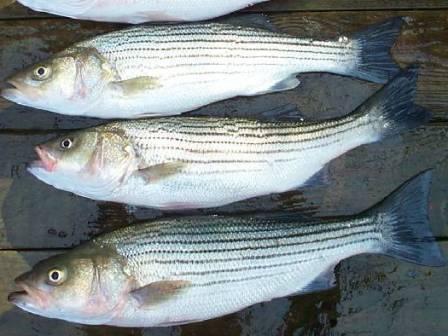
The Chesapeake Bay is famous for its seafood, especially oysters, blue crabs, hard clams, soft shelled clams and a fish, especially the rockfish or striped bass. Other Chesapeake Bay fish include gray trout, speckled trout, croakers, spot, flounder, sea bass, white perch, yellow perch.
Subscribe to:
Posts (Atom)